Unlock joy with our special discounts!

Eco-Kids: The Conscious Generation the World Desperately Needs
Discover why eco-kids are changing the world. Learn how their values, creativity, and planet-first mindset can shape a more sustainable future, and why eco-kids matter.
N. Ribbet
12/9/20253 min read
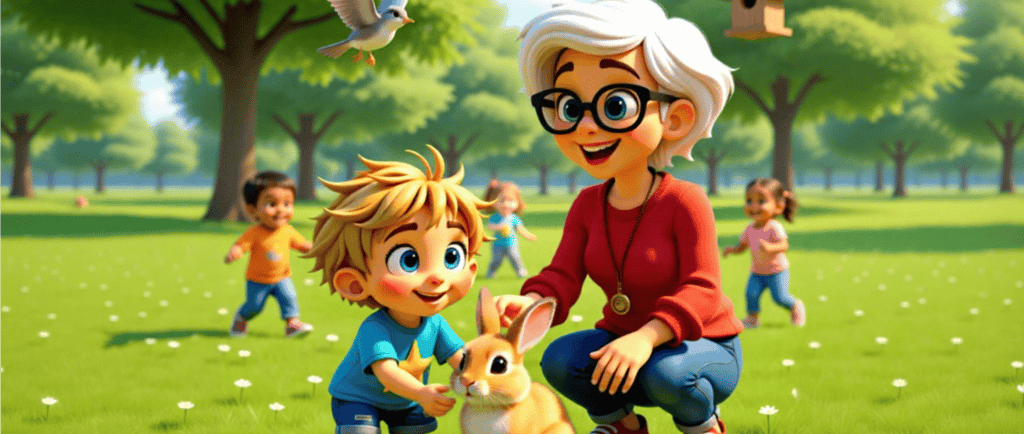
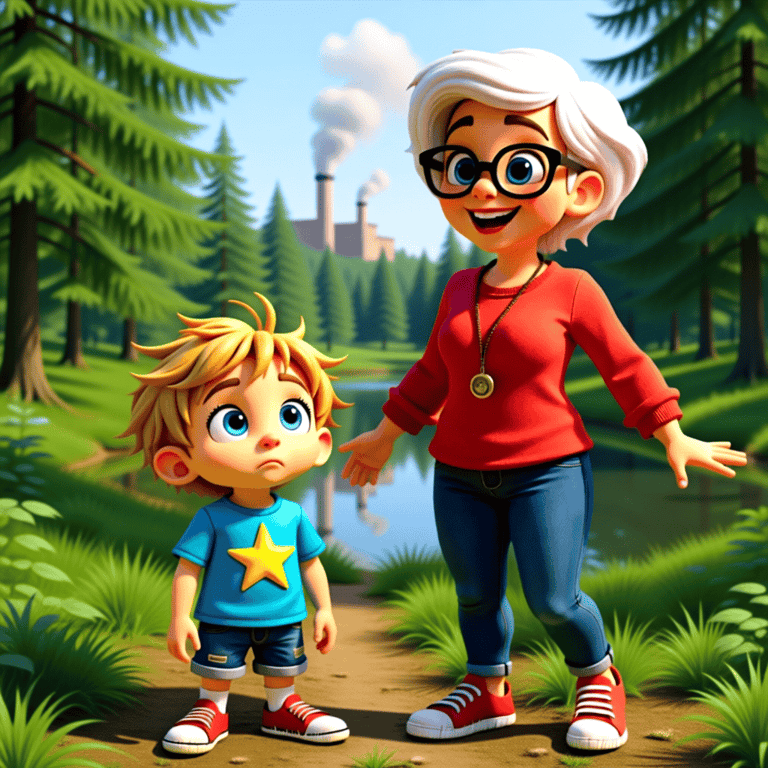
The world is changing fast, and so are the children growing up in it. Climate change, pollution, biodiversity loss, and resource depletion are no longer abstract ideas for future generations. Today’s children are growing up inside these realities. Out of this environment, a powerful and hopeful group is emerging: eco-kids.
Eco-kids are children who show a natural awareness of the planet and a deep sense of responsibility for the world around them. They care about nature, question wasteful habits, and often show more empathy for people, animals, and ecosystems than many adults. Far from being “too sensitive,” eco-kids may be exactly what the world needs right now.
Who Are Eco-Kids?
Eco-kids are not defined by perfection or activism. They are ordinary children with an extraordinary mindset. They might insist on turning off lights, refuse single-use plastics, worry about animals losing habitats, or ask uncomfortable but important questions like, “Why do we throw this away?” or “Do we really need this?”
What makes eco-kids unique is not just what they know. It’s how they think. They tend to see the world as interconnected. They understand, often intuitively, that human choices affect the planet and that the planet’s health affects everyone.
Many eco-kids develop their values early, influenced by mindful parents, educators, or personal experiences with nature. Others arrive at these values entirely on their own, guided by a strong internal compass and a natural sense of justice.
The Core Values Eco-Kids Bring to the World
Eco-kids embody values that are increasingly rare, and increasingly vital.
1. Responsibility over convenience
Eco-kids are more willing to choose what’s right over what’s easy. Whether it’s reusing items, conserving water, or questioning fast fashion, they think beyond immediate gratification.
2. Empathy and compassion
These children often show deep empathy not just for people, but for animals and ecosystems. This emotional intelligence drives ethical decision-making and inclusive thinking.
3. Long-term thinking
While many systems prioritize short-term gain, eco-kids naturally think in terms of impact, consequences, and future generations.
4. Respect for nature
To eco-kids, nature isn’t something to dominate or exploit. It’s something to protect, learn from, and coexist with.
These values don’t just create environmentally friendly individuals; they create better leaders, collaborators, and citizens.
Unique Approaches Eco-Kids Take
Eco-kids don’t approach problems the same way previous generations have, and that’s a good thing.
Instead of asking, “How can we profit from this?” they ask, “Should we do this at all?”
Instead of normalizing waste, they challenge it.
Instead of accepting harmful systems as “just how things are,” they imagine alternatives.
Eco-kids are often creative problem-solvers. They think in systems by sharing information. They are open to innovation but grounded in ethics. This combination is exactly what’s needed to tackle complex global challenges like climate change, social inequality, and resource scarcity.
Why the World Needs More Eco-Kids
The environmental challenges facing humanity cannot be solved with old mindsets. We don’t just need better technology. We need better values.
Eco-kids represent a shift away from extractive thinking and toward regenerative living. They remind us that progress doesn’t have to mean destruction, and success doesn’t have to come at the planet’s expense.
As future consumers, voters, educators, scientists, and leaders, eco-kids will influence every system they touch. If supported rather than dismissed, they have the power to reshape industries, policies, and cultural norms.
More importantly, eco-kids help rehumanize our relationship with the Earth. They remind adults of something we often forget: the planet is not a resource, but it’s a home.
Supporting Eco-Conscious Children Matters
Eco-kids are sometimes told they worry too much, think too deeply, or care too strongly. In reality, these traits are strengths.
Supporting eco-conscious children means validating their concerns, giving them tools instead of fear, and empowering them with age-appropriate action. It’s about teaching hope, not helplessness.
When adults listen to eco-kids, involve them in solutions, and respect their perspectives, children learn that their voices matter. That belief alone can shape a lifetime of meaningful impact.
Eco-Kids and the Future
The future doesn’t belong to the loudest voices or the most powerful corporations. No, it belongs to the values we nurture in today’s children.
Eco-kids are growing up with an understanding that sustainability, kindness, and responsibility are not optional extras. They are essential.
If we want a world that is cleaner, fairer, and more balanced, we must nurture the children who already believe that such a world is possible.
Because eco-kids aren’t just the future. Eco-kids are the compass guiding us toward it.
Inspire
Books that nurture kindness and self-growth.
Educate
Entertain
+1234567890
© 2025. All rights reserved.